The Impact of Giving – A SEFS Donor Spotlight Series: Karleen Snetsinger and the Corkery Family
This is the fourth donor spotlight in a series. This series of stories reveals the impact that donors have on students, faculty and research here at the School of Environmental and Forest Sciences and more broadly at the College of the Environment.
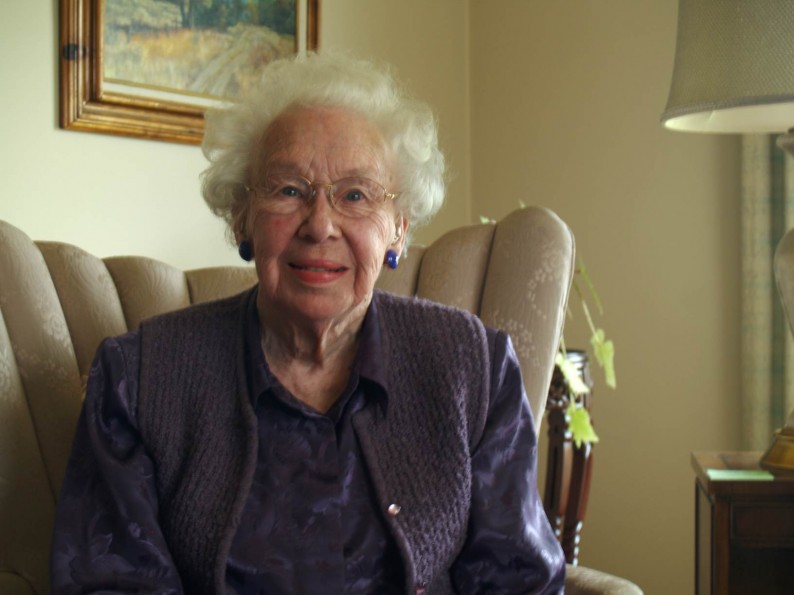
This fall we had the opportunity to sit down with Karleen Snetsinger, daughter of the late Jack and Vada May Corkery. Karleen’s father Jack and her uncle George Jr. are both alumni of the College of Forestry which was the precursor to the School of Environmental and Forest Sciences from 1910 to 1969. Karleen’s mother, Vada May, was also a UW alumnus, having graduated with a degree in Fine Arts in 1942.
The Corkery family are long-time supporters of SEFS and other UW colleges and schools. Jack, George Jr., their sister Alberta and Vada May established the Corkery Family Endowed Chair in Forest Resources as well as the B. Bruce Bare Endowed Professorship in Forest Resources. Karleen has since established a professorship in the name of Jack and George Corkery.
The Corkery family grew up immersed in the world of forestry. Their father, George Corkery Sr. moved from Wisconsin to Aberdeen in the early 1900s to pursue a logging career and the Corkery children spent a lot of time outdoors. The family has wanted to honor that legacy, paying homage to their father’s career and relationship with forestry through its giving.
Q&A with Karleen Snetsinger
What inspired you to establish the professorship endowment in remembrance and commemoration of your father and uncle? What do you recall about their relationship with forestry (The College of Forestry) and SEFS in general?
Karleen Snetsinger: I wanted to leave a legacy for my dad and uncle in their memory and of course to honor them. They both grew up around forests and nature. Their father, my grandfather, moved to Aberdeen, Washington from Wisconsin in the early 1900s when he was in the logging business. It was of no surprise to family and friends that Jack (class of 1939) and George (class of 1941) would both go on to major in forestry while attending the University of Washington. Each of them worked for a short time in the field until they were called to serve during World War II. Even though neither Jack nor George returned to jobs in the forestry industry, they kept close contact with what was happening in that field through meetings and other functions.
Your mom, Vada May Corkery, was the driving force behind your family’s long-time support of SEFS. Can you tell me a little bit more about her passion for philanthropy?
KS: My mother was an outgoing person. She was a go-getter, an organizer, and she implemented and accomplished many things during her life. I am not sure my mother would have considered philanthropy her passion but it was definitely very important to her. She was the driving force behind the first Corkery Family endowment having started the Corkery Family Endowed Chair in Forest Sciences in the early ‘90s. Other endowments also came into fruition over the preceding years and it was always her who got the ball rolling.
Professorship funds support SEFS faculty and through faculty, many students. In addition to plant-based research, these funds support nature and health interactions as well as urban agriculture and forestry. Do you think your family could’ve imagined the level of impact that their support has been able to offer?
KS: I learned that during the 2024-25 academic year Associate Professor Brian Harvey was named a National Academy of Sciences Kavli Fellow. Harvey is the current Jack R. Corkery and George Corkery Jr. Endowed Professor in Forest Sciences. At this year’s symposium, Harvey presented his research around forest fire ecology and management. Being able to support faculty like Harvey at the UW means that our family is also supporting students who are majoring and minoring at SEFS. I really doubt that anyone in our family could have or would have imagined the huge impact that these endowments have amounted to. I believe that Jack and George Jr. thought about the importance of years to come and even thought about the perpetuity of the fund’s impact.
What do you think that your family would say, or what would you say, to a student considering a degree from SEFS?
KS: Jack Corkery wrote a brief acceptance speech after the Corkery Family accepted the Honorary Alumnus Award in 2001. I’d like to share his speech here with all of you.
“Almost everyone who has spent four years at an institution of higher learning has a certain deep down feeling of that institution, and in their hearts, they hope and believe that the college they graduated from is successful, and a leader in its field.
All of you alums that are here tonight wouldn’t be here if you didn’t feel that way.
Many of you have given freely of your time, talent and treasures for the betterment of the college. For generations to come, they will say, ‘thanks for helping to make our college a vibrant, dynamic place of learning that is admired and respected by the students, faculty, the public and the forest industry.’”
So much of the Jack Corkery and George Corkery Jr. endowment funds end up supporting student research, field experiences and experiential learning opportunities across the world. I read that your dad was a huge outdoorsman and gardener. Do you think he’d be thrilled to see his legacy supporting students out in the field?
KS: Oh yes, my father would have been extremely thrilled to know there are so many opportunities in research and field experiences for students. Anytime Jack could be outside and with nature, he was there! His dream was to see the next generation of leaders, scientists, and researchers find success at SEFS. He would have been very proud that his legacy continues on, and one that is admired and respected.
Faculty & Student Impact
The ability for SEFS faculty to have funds to support their work that are not tied to a specific grant is incredibly beneficial, especially in uncertain financial times. It allows faculty to support students, take risks and expand their ability to communicate their research and science. We spoke with faculty here at SEFS who have received support from Karleen Snetsinger and the Corkery Family – these individuals carry forward the legacy of the Corkery Family and its continued impact on the health of forests here in the Pacific Northwest and abroad.
Brian Harvey | Assistant Professor |  Jack R. Corkery and George Corkery Jr. Endowed Professor 2021 – Present
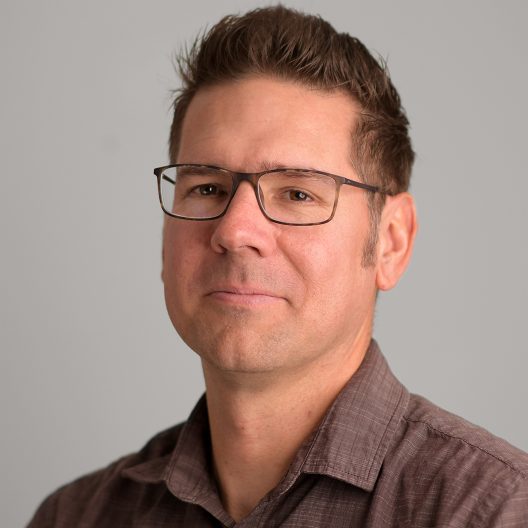
Support from the Corkery Family has continued to enable and catalyze forest fire ecology research out of the Harvey Lab that informs management to foster forest resilience. Graduate students and postdoctoral trainees in Harvey’s lab group have partnered with forest management partners throughout the Pacific Northwest and are making a profound difference in shaping the national and international narrative around solutions to the most pressing forest and fire management challenges today.
The Corkery Family’s support had allowed Harvey’s team to make continued field measurements in an expanding network of forest plots distributed across the western Cascades in Washington and Oregon. Until recently, fires in the western Cascades have been rare over the last several decades, and insights into how forests respond to wildfire have been lacking. Support from Karleen Snetsinger and her family have enabled the Harvey Lab to install long-term field plots where they are tracking forest recovery helping them to better understand the near-term and long-term effects of fire.
The team is also working with management agencies to test how different management treatments can affect fire behavior as well as post-fire forest trajectories. As forests on the west side of the Cascades develop over centuries after severe fire, building an understanding of long-term ecological change requires repeated measurements over years to decades. With support from the Corkery Family, they have finalized the installation of 165 post-fire field plots stretching from Central Oregon to the Canadian Border, and in the summer of 2025, they were able to collect the second time series measurements on the first set of the plots. These data are the first of their kind and allow unparalleled insight into how western Cascade forest ecosystems respond to fire and what management opportunities they present. In addition to supporting the fieldwork in remote locations, funds from the Jack R. Corkery and George Corkery Jr. Endowed Professorship in Forest Sciences has also contributed to the building and implementation of a cutting-edge forest simulation model for testing different forest and fire management scenarios in the Pacific Northwest. This allows Harvey’s team to extend insights from the field work and satellite remote sensing data into exploring possible future outcomes of a wide range of management options.
 David Butman | Associate Professor | Jack R. Corkery and George Corkery Jr. Endowed Professor 2021 – Present

Support from Karleen Snetsinger and the Corkery Family have benefited Dr. Butman and his team tremendously, and has enabled Butman to devote nearly all of the funding to student research support and field experiences. Dr. Butman and his team at the Ecosystem Biogeochemistry Group’s research is focused on the impact that land management can have on the cycling of carbon from land through aquatic ecosystems. Dr. Butman continues to develop novel methods to accurately quantify carbon storage in landscapes and inform both public and private partners on how to effectively monitor carbon changes over time. This type of work cannot be completed by sitting in front of a computer. All of Dr. Butman’s students are expected to leave the lab and experience the natural environment from more than just an academic perspective.
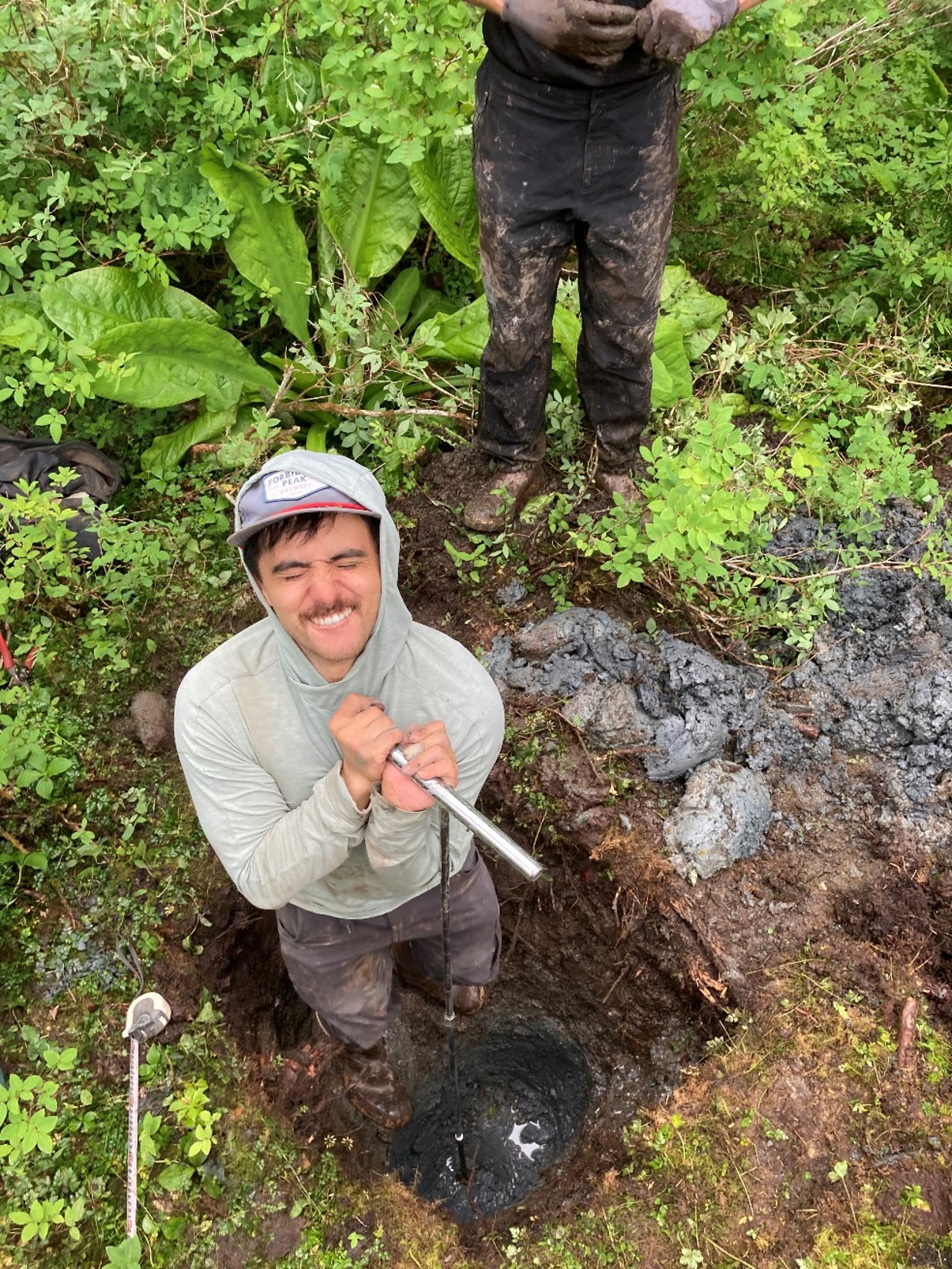
Hannah Conroy, PhD, who was able to attend the American Geophysical Union 2024 meeting in Washington, DC, because of the Corkery support. Hannah presented a chapter of her dissertation focused on how we calculate the balance of carbon in forests, but taking the perspective of using watersheds as the unit of measure. It is one thing to calculate overall forest biomass above ground, but we also must consider soils and all of the carbon that is lost through hydrology. Her work has been submitted to the journal Global Change Biology, and we hope to use Corkery’s support to pay for this publication.
Hellen Miller, a current PhD student, spent part of 2023-2024 sampling water quality on the lower Mekong River. Coupled to advanced Bayesian modeling to estimate water quality and metabolism, Helen has a paper in revision to the Journal of Limnology and Oceanography. Through support of the Corkery Endowment, I was able to supplement an award to Helen, who was selected to take part in a ‘Hackathon’ to be one of the first users of the NASA PACE (Plankton, Aerosol, Cloud, ocean Ecosystem) data. Helen is now positioned to apply cutting-edge satellite data designed for ocean ecosystems to freshwater systems for the first time. This link between instream ecosystem processes and satellite observations is going to be her next chapter for her dissertation.
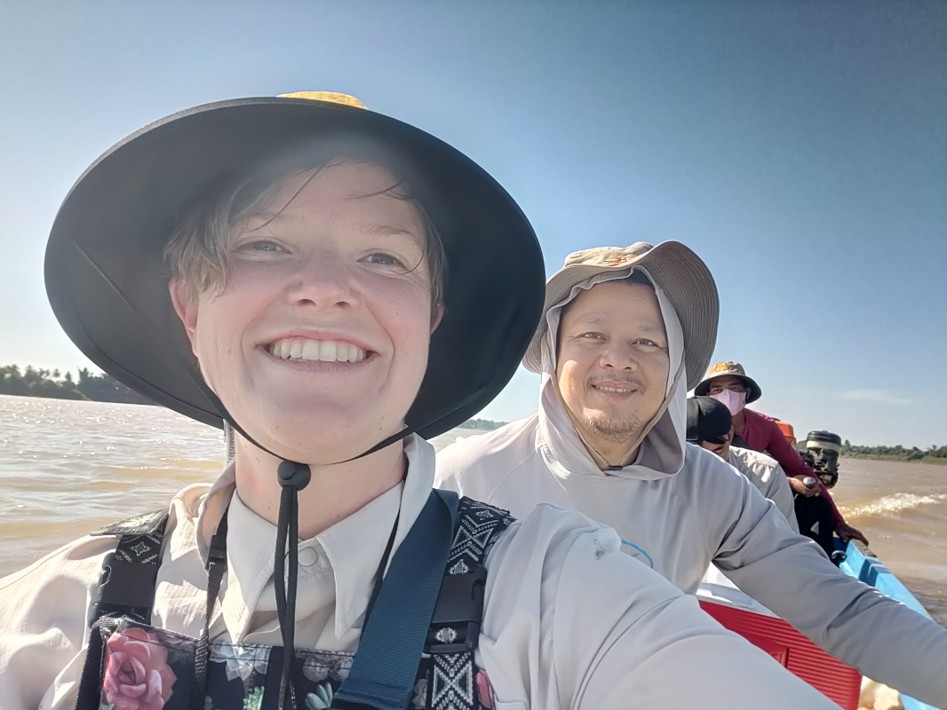
The flexibility of the Corkery Family funds are beneficial in improving graduate student experience. With the funds from Karleen Snetsinger and the Corkery Family, Dr. Butman is able to provide both opportunities for these students, and to also improve the science being done.
 Dan Brown | Professor and Director | Corkery Family Chair

The Corkery Family chair has provided a critical level of support for both Dr. Brown’s research and his stewardship of the SEFS mission in a time of increasing budgetary uncertainty. For his own research program, which focuses on land use change related to forest lands in the US and globally, Dr. Brown has focused resources from the chair on supporting PhD-level research. He’s been able to supplement a Fulbright Scholarship his PhD student received to keep that student fully funded in his program. Francisco is investigating the environmental and social conditions affecting agricultural abandonment and forest regeneration throughout the tropical forests of Mexico. Francisco’s research will improve understanding of the potential for and possible policy and management strategies to increase forest cover in formerly agricultural areas of Mexico.
In his role as the Director of SEFS, Dr. Brown often finds productive use for the funds available to him through the Corkery Chair to support priority needs for infrastructure and functioning of the school. For example, the renovation of Anderson Hall is a big, expensive project for the future of SEFS and our community. While most of the funding came from capital funds from the state legislature, Dr. Brown was able to allocate funds from the Corkery Chair to support this effort and ensure that SEFS’ facilities continue to be world-class. Another faculty member had a federal grant cancelled and was unable to fund the final analyses from a multi-year project, and the Corkery Family Chair funds provided financial support for that work. The flexibility afforded to him as director by the Corkery Family Chair funds is especially important in a time of significant funding uncertainty at the state and federal levels.
Support Giving at SEFS
Join Karleen Snetsinger and the Corkery Family in their support of SEFS faculty and students by giving to one of the Corkery Family funds today.
Jack R. Corkery and George Corkery Jr. Endowed Professorship in Forest Sciences
Corkery Family Environmental and Forest Sciences Director’s Endowed Chair
Read more from SEFS’ Donor Spotlight Series here