SEFS Student Spotlight: Kira Stewart, Class of 2026
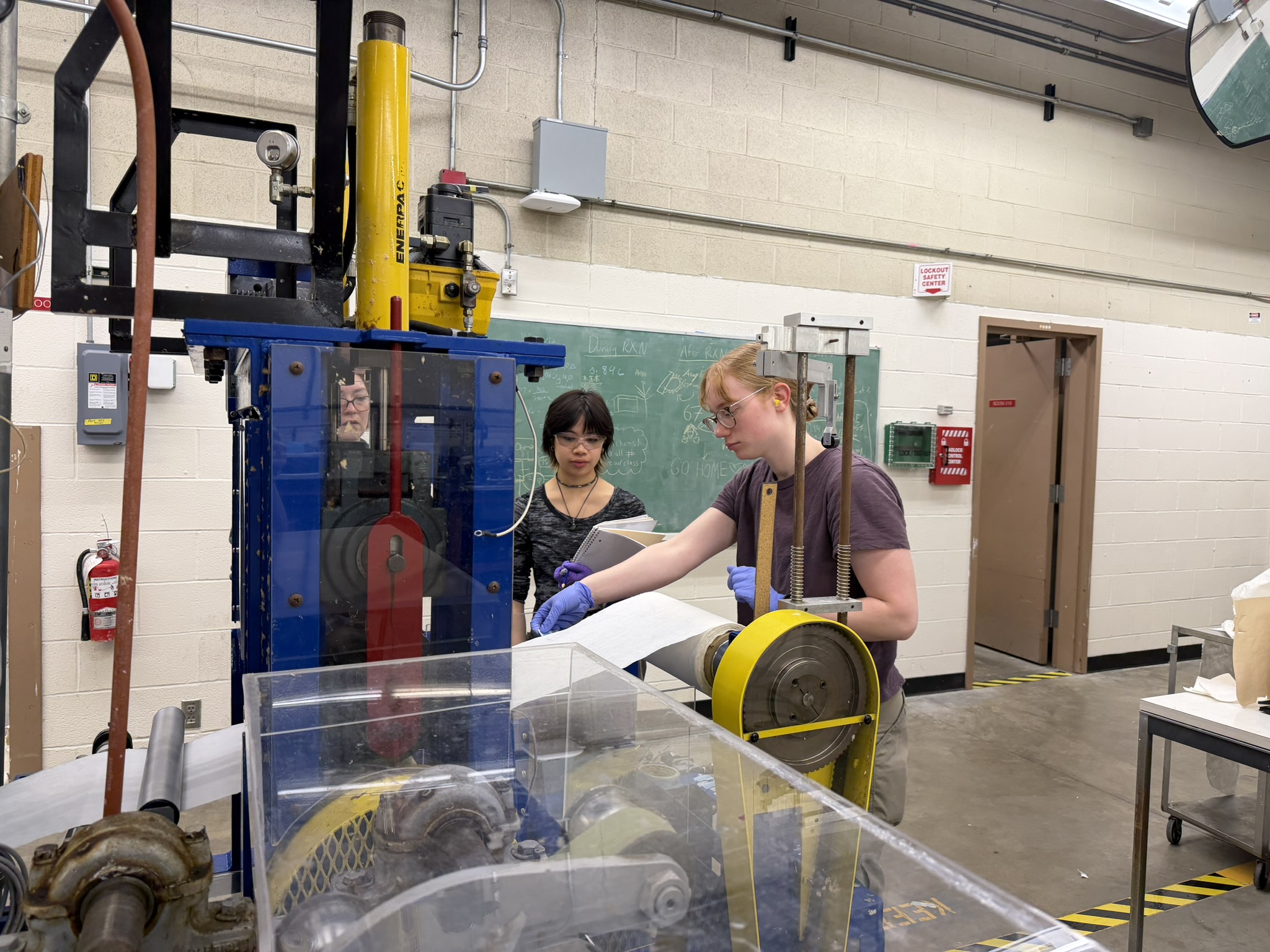
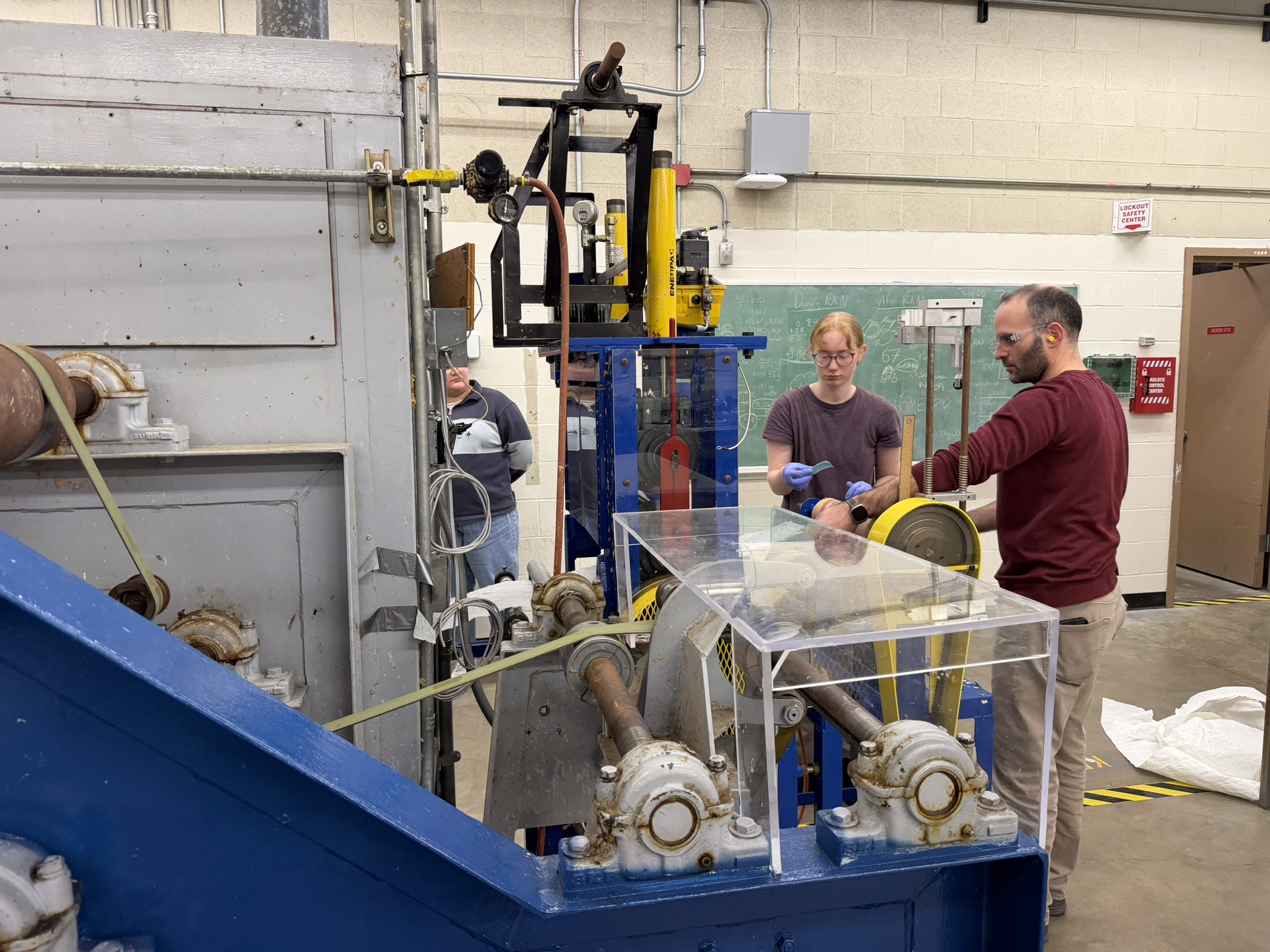
Kira Stewart is majoring in Bioresource Science and Engineering here at UW’s School of Environmental and Forest Sciences. She’s also a Student Ambassador at the College of the Environment, representing the BSE major and offering tips and insight to students curious about the degree. Kira spent her first year at the UW as an undeclared student and it was during Engineering 101 that she realized she was more interested in processes and products than planes, bridges or robots like a lot of her peers. Kira says that BSE filled the niche interests she had in not only process and product but bio-based materials and a sustainable minded career. We had the chance to catch up with Kira at the Wollenberg Paper & Bioresource Science Lab while she and her cohort were operating the paper machine for their finals.
This past fall, SEFS launched the Sustainable Bioresource Systems Engineering major. What would you say to students curious about a future in bioresource systems engineering?
Kira Stewart – Explore the field! Bioresource systems engineering is a great choice for those who are interested in the problem solving aspects of engineering, but want to focus on sustainability projects in a wide range of industries. Although we are set up really well to work in the paper and pulp industries, all of the skills and experience is transferable to most other disciplines. If someone wants to learn more about SEFS, the College of the Environment or SBSE what would you suggest? Any recommendations on how to learn more about current students, coursework or professors?
KS – At least in SBSE, all of the professors are easily reachable. If you have a question just send an email. There are a lot of resources about the major and graduates online, but being able to talk to professors is so helpful as they have seen so many students come and go, as well as having extensive experience in the industry. As for talking to current students, I would recommend going to a UW TAPPI meeting or attending an event hosted by the Washington Pulp and Paper Foundation. Students are always at these events, and are always happy to answer questions.
Tell us more about your role as an Undergraduate Ambassador? How has that experience shaped your experience here on campus?
KS – During my second year at UW, I was an ambassador for the College of Engineering, which I enjoyed, leading to my decision to continue being an ambassador, this time for the College of the Environment. Being an ambassador has given me a more holistic understanding of what other students are doing and studying, as well as knowing about more of the opportunities on campus. Even if this knowledge doesn’t change what I’m doing with my degree, it builds a sense of community and helps all of us better liaison with each other and hone in on our interests.
Any tips or advice for current or future students on landing an internship? Where have you interned? What was the process of applying for an internship like?
KS – I have completed two internships, the first one at (then) International Paper’s Innovation Center in Federal Way and the second one at Smurfit Westrock’s Longview Mill. I learned about both of these opportunities through info sessions, which are events hosted by TAPPI, typically in the fall, where companies give a presentation, generally holding intern interviews the following day. As such, neither of these internships required an official application as I got to know the company representatives on a more personal level through the info sessions.
My best advice would be to attend info sessions, even if the company doesn’t initially catch your interest. There is so much value in meeting industry professionals and hearing about different applications of our coursework. If the option is available, I would highly recommend trying an internship in both R&D and in industry. While these aren’t the only two career paths, they are the main ones and getting an idea of what is more interesting for you is instrumental in deciding where you want to take your career next.
BSE, now SBSE, is the only engineering major outside of the College of Engineering. What does that mean for you as a student? What have been some of the benefits?
KS – Because BSE is such a small major, while requirements are still requirements, you can talk to professors and advisors to figure out if there are work arounds to make sure all your engineering fundamentals are met while also making time for other classes. Even outside the College of Engineering, we have opportunities to take classes in the other engineering majors, which reinforces the interdisciplinary nature of all engineering disciplines. You also still have access to career support resources and events from the College of Engineering as well as the College of the Environment.
The BSE major is known for being really hands-on and emphasizes real lab experience. How has that been instrumental in your career as an undergrad? Can you share with us a little about your experience with faculty?
KS – Not only does BSE have a lot of lab classes, but there are many opportunities to get involved in undergraduate research. I was able to get involved in undergraduate research my second year at UW, which really supplemented my lab skills and gave me a better sense of the research taking place in the field of bioresource systems engineering. Completing undergraduate research before starting the majority of the core BSE classes allowed me to already have the lab skills needed for lab classes, which enabled me to help teach my peers to an extent in those lab classes, which cemented my knowledge of lab procedures.
Has the WPPF supported you as a BSE undergraduate? Have you attended any WPPF or TAPPI events? What have you learned and who have you met?
KS – I heard about both of my internships through WPPF member information sessions hosted by student TAPPI. TAPPI also hosts a lot of events, including networking opportunities and resume review sessions. The biggest event of the school year is the WPPF Banquet, which is a day long event where you get to meet both WPPF member companies as well as BSE graduates, which is a great way to get exposure to the different career pathways open to you as a bioresource systems engineer as well as get on the radar of more companies.